
Opinion: Zimbabwe's Construction Boom: From Diaspora Investments to Local Home-Building Challenges
Navigating the challenges of quality construction and accountability in a nation on the rise.

Introduction
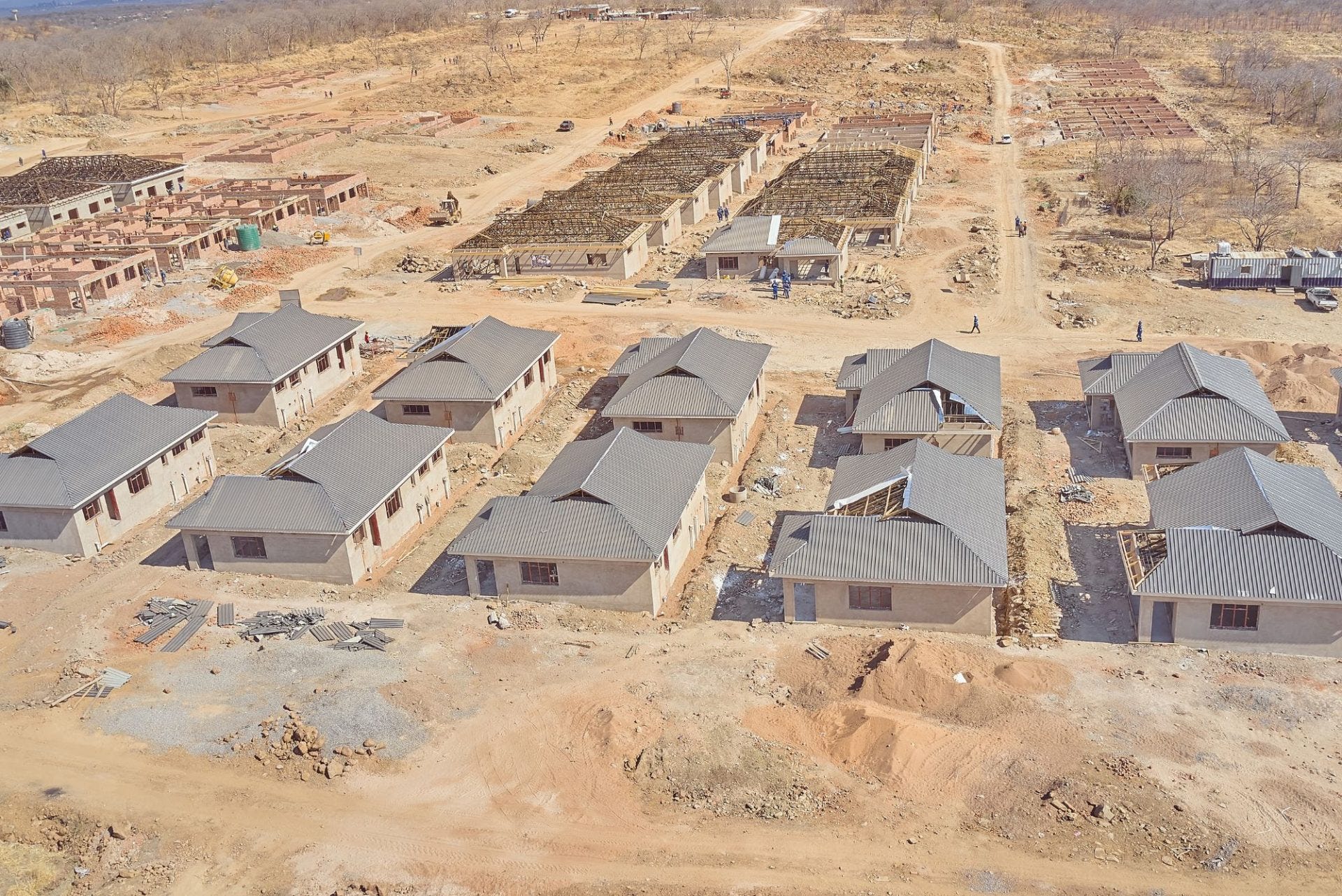
Zimbabwe is currently witnessing a construction boom fueled by investments from both diaspora and local homeowners. With rising trends similar to the fashion boutique boom in central business districts, hardware shops—both formal and informal—are emerging as trendy hubs for construction materials. Much of Harare's land is being transformed into construction projects, and this momentum is spreading to cities, towns, and even rural areas, as seen on channels like Let's Build Our Rural Homes In ZI5566.
However, this positive surge is not without its challenges. The rapid conversion of land into construction projects has stirred controversy over wetlands and land barons. Wetland areas, such as those in the Mukuvisi Woodlands, have been shrinking and are at risk due to urban development in Harare.en.wikipedia.org

Additionally, the phenomenon of "land barons"—individuals or entities illegally selling state or communal land—has exacerbated land disputes and led to unplanned settlements. For instance, in Kuwadzana Phase 3, land barons allegedly linked to the security sector have been exploiting vulnerable low-income individuals by re-allocating previously sold stands to new buyers and collecting additional fees under false pretenses. newsday.co.zw
Issues in local government and city council administration further complicate the situation. The Harare City Council has been plagued by corruption and mismanagement, leading to skepticism and fear among investors and homeowners alike, undermining confidence in the quality and accountability of new projects. herald.co.zw. The administrative challenges in Zimbabwe's construction sector are further exacerbated by issues arising from the use of unreliable contractors. Many individuals opt for unregistered or informal contractors, often due to cost considerations and the perceived flexibility they offer. However, these choices frequently lead to substandard workmanship, project delays, and financial disputes.
Driven by both professional curiosity and a personal vision, I embarked on a deep dive into these challenges. As a family, we have always dreamed of building our own home —a vision that has driven me to conduct extensive research both online and offline. My personal journey began when I started exploring the experiences shared by Zimbabwean YouTubers from the diaspora, such as Simply Rodah, Ruwa Organic Farm, and Marozo at Home. Their stories, along with insights from local content creators like Kelvin Birioti, Rufaro Rufaro Vlogs, Kundai Chitima, Mr. Zim, and Mr. Lonac, have painted a vivid picture of both the challenges and opportunities in Zimbabwe’s construction sector.
My quest for understanding intensified while assisting a close friend who is currently building their family home. We visited formal hardware stores—Bhola, Halsteds, Electrosales, PG—and explored various informal outlets to obtain quotations and purchase materials. These hands-on experiences have not only prepared me for my future project but have also opened my eyes to the complexities faced by Zimbabweans, whether they’re returning from abroad or building locally.
Personal Journeys – Overcoming Hurdles
Simply Rodah’s Story
Consider the case of Simply Rodah. In her video, Simply Rodah: Let’s Expose the Bad Workmanship; Building In Zimbabwe 🇿🇼, a Zimbabwean woman based in China shares her journey of constructing her home back in Zimbabwe. Her narrative is both inspiring and cautionary. For example, she emphatically declares that she will never recommend the plumber on her project due to his inconsistent work. Beyond that, she points out that substandard plastering and poorly installed window fixtures have turned even simple tasks—like opening a window—into daily struggles.
Nyasha’s Experience
In an episode, Kelvin Birioti offers another perspective based on Nyasha’s in Kelvin Birioti: From Australia to Zimbabwe | Terrible Home Builders, Scammers the LIST is ENDLESS. Nyasha’s account reveals the frustration of dealing with contractors who overpromise and underdeliver, and the challenges of managing finances and project timelines from afar.
Ruwa Organic Farm’s Narrative
Similarly, the video Ruwa Organic Farm: Watch Before You Build A House In Zimbabwe explores the emotional and financial toll of home construction. It illustrates how unexpected delays and cost overruns can shatter initial dreams, leaving investors grappling with disappointment.
Marozo at Home
Then there’s the experience shared in Marozo at Home: Living the Dream: Building a Home in Zimbabwe from Abroad, where the host delves into the challenges of managing a construction project from overseas. Communication barriers and logistical complexities make it difficult to ensure consistent quality and timely completion.
Local Perspective
Not all challenges are confined to the diaspora. Local content creators like Rufaro Rufaro Vlogs provide a window into the hurdles faced by homeowners in Zimbabwe. Even when living on-site, issues such as delayed progress and inconsistent contractor performance persist. I witnessed these firsthand while assisting a close friend currently building his dream home. Despite having the advantage of direct oversight, he, too, encountered setbacks that underscored the pervasive challenges in our construction sector.
Opportunities Unearthed
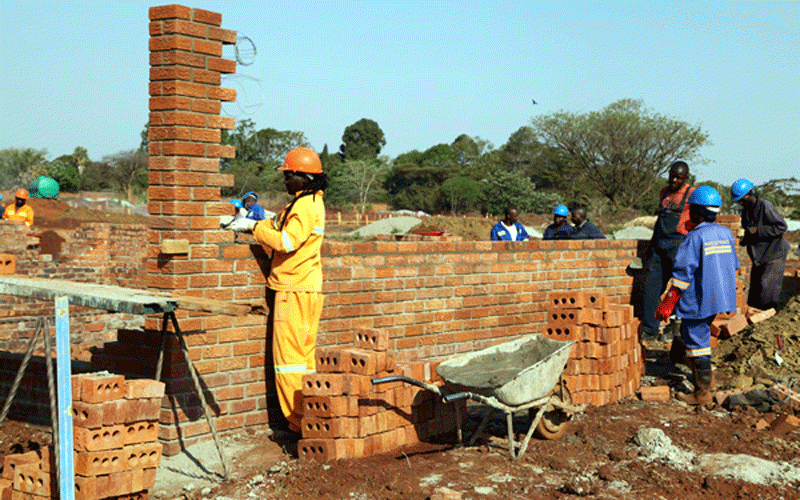
From these real-world experiences, three key opportunities emerge that could transform Zimbabwe’s construction landscape:
Reskilling and Empowerment:
Upskilling retrenched, retired, and underutilized professionals can turn setbacks into opportunities. With targeted training programs, individuals can learn effective project management and quality assurance, paving the way for sustainable entrepreneurship.Formalizing the Informal:
Zimbabwe’s booming hardware market—reminiscent of the trendy boutique culture in central business districts—offers a unique chance to integrate informal suppliers and contractors into a structured, reliable supply chain. Formalization would improve quality assurance, establish industry standards, and benefit all stakeholders.Enhanced Contractor Oversight and Quality Assurance:
Reliable project management is critical. Establishing clear oversight and quality assurance measures not only provides clients with peace of mind but also assures the nation of high-quality construction projects. Addressing systemic issues such as inconsistent workmanship and poor contractor performance can lead to a more resilient, professionally managed construction sector.
A Glimpse into the Future
The experiences shared by both diaspora investors and local homeowners reveal not only the challenges in Zimbabwe’s construction sector but also the clear opportunities for transformation. While unreliable contractors and mismanaged funds remain significant hurdles, these issues also underscore the need for:
Reskilling programs that empower individuals to manage projects effectively,
Formalizing informal supply chains to ensure consistent quality, and
Implementing robust oversight measures to guarantee excellence in construction.
In a future installment, I will attempt explore how engaging professionals and industry experts can drive higher standards, paving the way for a more resilient and professionally managed construction industry in Zimbabwe.
Conclusion
The journey of building a home in Zimbabwe, whether from abroad or locally, is fraught with challenges—from unreliable workmanship and contractor mismanagement to systemic administrative issues. I write this article not only to document these realities but also to highlight the opportunities that lie within them. My personal journey, fueled by research and hands-on experiences, is a testament to my commitment to creating a positive brand image for Zimbabwe. By addressing these challenges head-on, we can build a future where every construction project stands as a symbol of quality, resilience, and national pride. Till next time, adios